Sub-Total: $0.00
Introduction to Dog Harness Training
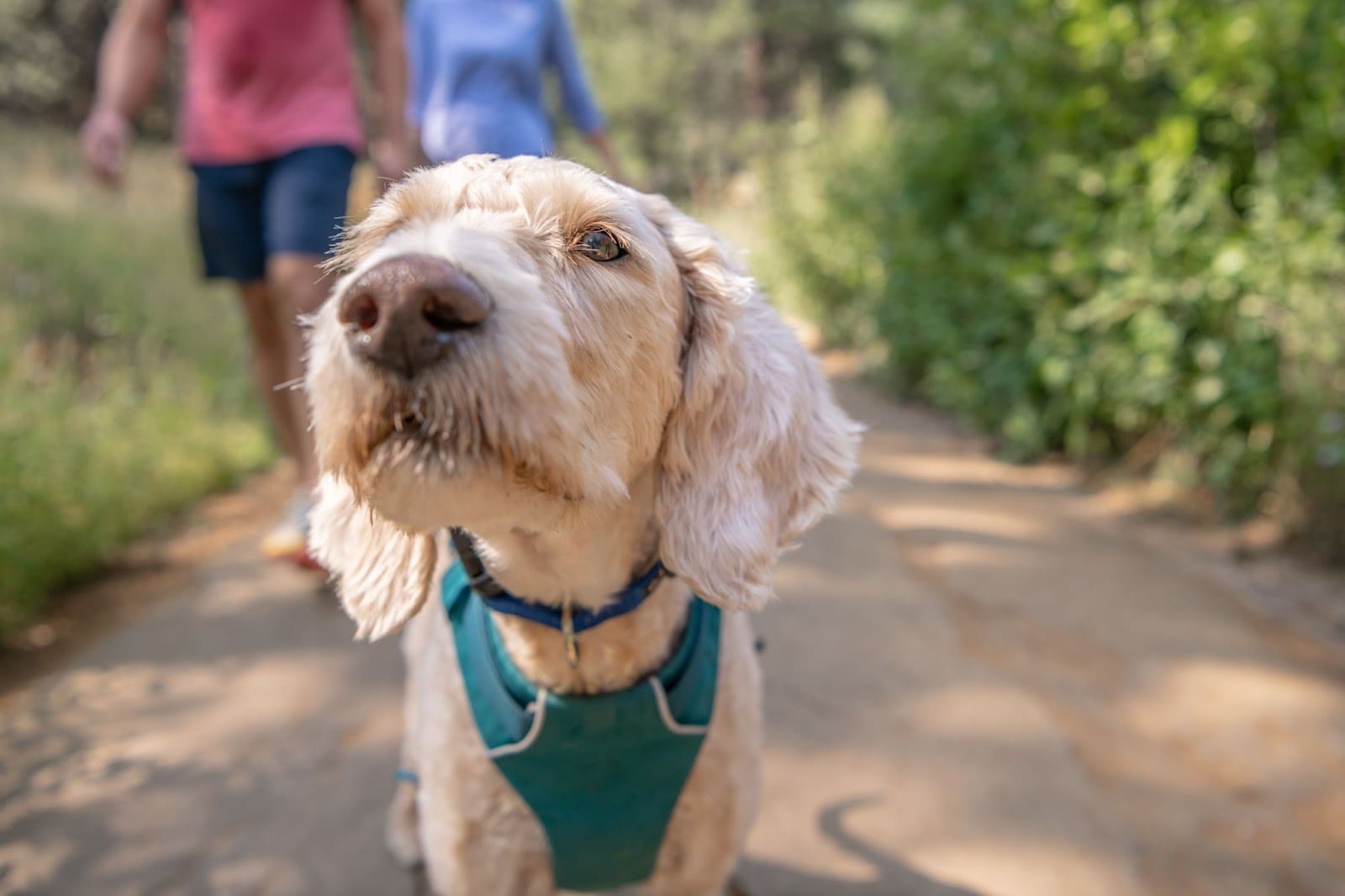
Dog harness training is key to making walks enjoyable and safe for you and your furry friend. A well-fitted dog harness gives you more control during walks and helps your dog feel secure and comfortable. Training your dog to wear a harness properly can prevent pulling, reduce the risk of injury, and make every outing a positive experience. By taking the time to introduce the harness and train your dog with patience, you’ll set the stage for stress-free walks and a stronger bond with your pet. Whether you’re just starting or looking to improve your dog’s harness skills, a thoughtful approach to training will make all the difference.
Step 1: Choose the Right Harness for Your Dog
Before diving into training, make sure you’re starting with the correct harness. Most harnesses fall into a few categories:
- Overhead harness: Slips over your dog’s head and buckles around the body.
- Step in harness: Your dog’s paws step through, then it buckles on top.
- Back clip harness: Ideal for small dogs or casual walks.
- Front clip: Useful for dogs that pull, offering more control.
- Some harnesses offer two buckles or even multiple adjustment points—specific locations on the harness, such as the chest or belly, where straps can be tightened or loosened to customize the fit for your dog.
Some harnesses feature a simple design, making them quick to put on and take off. Strap-style harnesses are especially easy to use, with straps that provide a secure and comfortable fit while allowing for better cooling in hot weather.
Medium and large dogs often benefit from padded harnesses with a front clip or chest ring, while small dogs may prefer lightweight step-in designs. If you have a puppy, look for harnesses suitable for puppies, as front-clip styles can help with leash training and managing puppy energy.
When choosing a harness, look for features like a sturdy D ring—the metal attachment point for your leash—and well-placed adjustment points for a secure fit.
It is important to evaluate the actual harness for adjustability, security, ease of use, and durability. These features contribute to a reliable and secure fit, ensuring your dog’s comfort and safety.
Whatever you choose, the harness should fit snugly but not tightly around the dog’s neck, chest, and shoulders, allowing full movement without chafing. Your dog should still wear a collar with an ID tag for identification and legal compliance, even when using a harness.
Step 2: Let Your Dog Get Used to the Harness at Home
When you bring home a new harness, don’t put it on your dog immediately. Instead:
- Place the harness on the ground and let your dog approach and sniff it calmly.
- Offer high-value treats each time they show interest in them.
- Gently lift the harness near your dog’s head, neck, or paws without putting it on—this helps them get used to the process.
- The process can be easier and more controlled if a more straightforward dog stands in place.
At this stage, the goal is to help your dog feel comfortable with the harness before putting it on for the first time.
If your dog feels nervous, go slow. This stage may take a couple of weeks, especially if your pup had a bad experience with gear before. With patience and positive reinforcement, your dog will eventually become comfortable with the harness.
Step 3: Practice Putting the Harness On and Off
Once your pup is relaxed around the harness, begin putting it on for a few seconds at a time. Here’s how:
- Gently guide the harness over your dog’s head or have them step in, and push gently as needed to position it correctly. You can lure or gently guide your dog's head through the harness opening to ensure a comfortable and proper fit.
- Buckle the harness securely and make sure all clips are fastened. When the clips are properly engaged, you should hear a clicking sound.
- Adjust the straps so they fit snugly but not too tightly. Check around the neck, chest, and behind the front legs, ensuring you can comfortably fit two fingers between the harness and your dog’s body. If the harness is too loose, it may slip off.
- Give dog treats and praise during and after.
- Before walking, ensure the leash is clipped to the D ring, and attach the leash securely.
- Remove it briefly, even if you don’t go for a walk.
Repeat this process multiple times daily. Over a few weeks, your furry friend will associate having the harness on with positive experiences.
Step 4: Start Short, Positive Walks
Once your pup seems comfortable wearing the harness indoors, try a short walk near the house:
- Bring a leash, treats, and a cheerful attitude.
- Don’t expect perfection—most dogs need time to adjust, especially if they have been walked with a collar before.
- Encourage your dog to move forward during the walk, rewarding them for positive movement.
- If your dog pulls or pulls more when using a harness, stop and redirect with a dog treat or voice cue.
- Praise calm walking and loose leash behavior.
- Choose a harness allowing natural, unrestricted dog movement to ensure comfort and freedom.
Consult a dog trainer for strategies to stop pulling or correct fit issues if needed. This is especially useful for large dogs who need gentle guidance.
Step 5: Adjust and Monitor Over Time
The harness may need a new harness adjustment for dogs as they grow or gain muscle:
- Re-check all adjustment points weekly, especially around the dog’s body, chest, and neck.
- Look for signs of irritation on all areas where the harness contacts the dog’s body, including your dog's paws, legs, or underarms.
- Inspect the harness regularly for signs of wear or damage, such as frayed straps or weakened buckles.
- If the harness slips, rubs, or causes discomfort, reassess the fit snugly principle or try another style.
- Ensure your dog’s ID tag is securely attached to their collar for safety and legal compliance.
- Keep using high-value treats to reinforce good behavior.
If your dog wears the harness for extended periods—such as during hikes or training—give them breaks to rest and monitor for fear or resistance.
Measuring Your Dog for a Harness
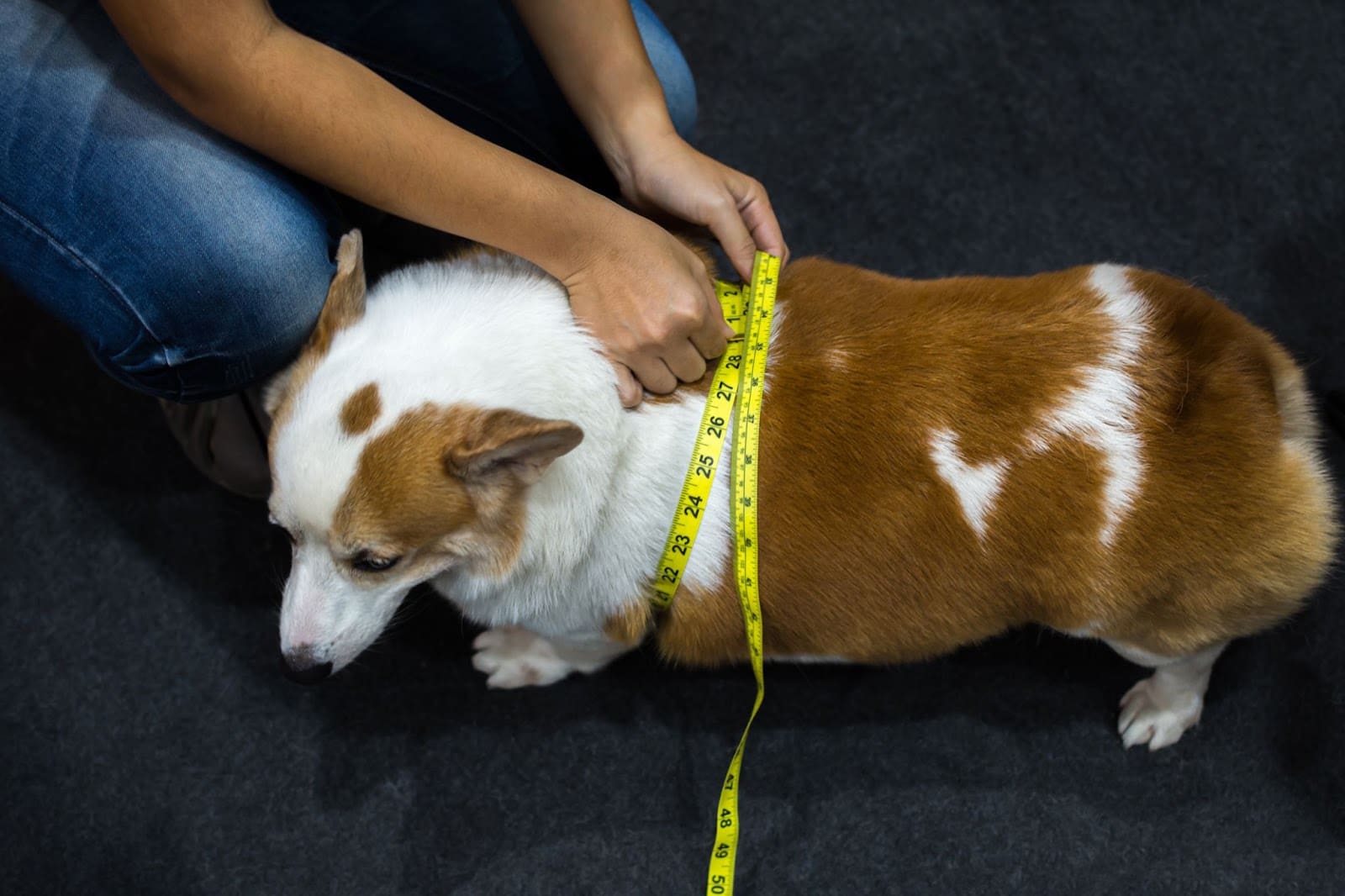
Getting the right fit is essential for your dog’s comfort and safety. To measure your dog for a harness, use a flexible measuring tape to check the circumference of your dog’s chest—right behind the front legs—and the base of their neck. Most harnesses are sized based on these two measurements, so accuracy is essential. For small dogs, look for lightweight harnesses designed to fit their petite frames, while medium and large dogs often need sturdier harnesses with wider straps for support. Always double-check the manufacturer’s sizing chart, as different breeds and body shapes can affect the fit. A proper fit means the harness sits snugly without restricting your dog’s movement or causing chafing, ensuring your dog is ready for comfortable walks. The harness should conform to your dog's body, securely fitting around the torso and overall body structure for comfort and safety.
Building Your Dog’s Confidence with the Harness
Building your dog’s confidence with the harness is key to making every walk a positive experience. Start by introducing the harness in a calm, familiar space where your dog feels safe. Let your dog investigate the harness at their own pace, and reward calm, curious behavior with treats and gentle praise. Gradually increase your dog's time wearing the harness, starting with just a few minutes and slowly working up as they become more comfortable.
Choosing the correct harness is especially important for building confidence—medium and large dogs often do best with a sturdy harness with multiple adjustment points for a secure, comfortable fit, while small dogs may prefer a lightweight, flexible design. If you’re unsure which harness is best for your dog, a dog trainer can offer personalized advice to help you select the correct harness and guide you through helping your dog feel confident and relaxed while wearing it. With patience, treats, and the right approach, your dog will soon look forward to putting on their harness and heading out for a walk.
Getting the right fit is essential for your dog’s comfort and safety. To measure your dog for a harness, use a flexible measuring tape to check the circumference of your dog’s chest—right behind the front legs—and the base of their neck. Most harnesses are sized based on these two measurements, so accuracy is essential. For small dogs, look for lightweight harnesses designed to fit their petite frames, while medium and large dogs often need sturdier harnesses with wider straps for support. Always double-check the manufacturer’s sizing chart, as different breeds and body shapes can affect the fit. A proper fit means the harness sits snugly without restricting your dog’s movement or causing chafing, ensuring your dog is ready for comfortable walks. The harness should conform to your dog's body, securely fitting around the torso and overall body structure for comfort and safety.
Harness Training for Specific Breeds
Every dog is unique, and some breeds have special needs regarding harness training. For example, dogs with short noses like Pugs or Bulldogs benefit from harnesses that avoid putting pressure on their neck, helping them breathe easily and move comfortably. High-energy breeds such as Labradors or German Shepherds may require a more robust harness to handle their strength and enthusiasm, especially if your dog pulls during walks. Consulting a dog trainer or experienced owner can help you choose the correct harness and develop a training plan tailored to your dog’s breed and personality. With the proper harness and patient teaching, most dogs can learn to wear their harness comfortably and enjoy their walks to the fullest.
Tips for Small Dogs
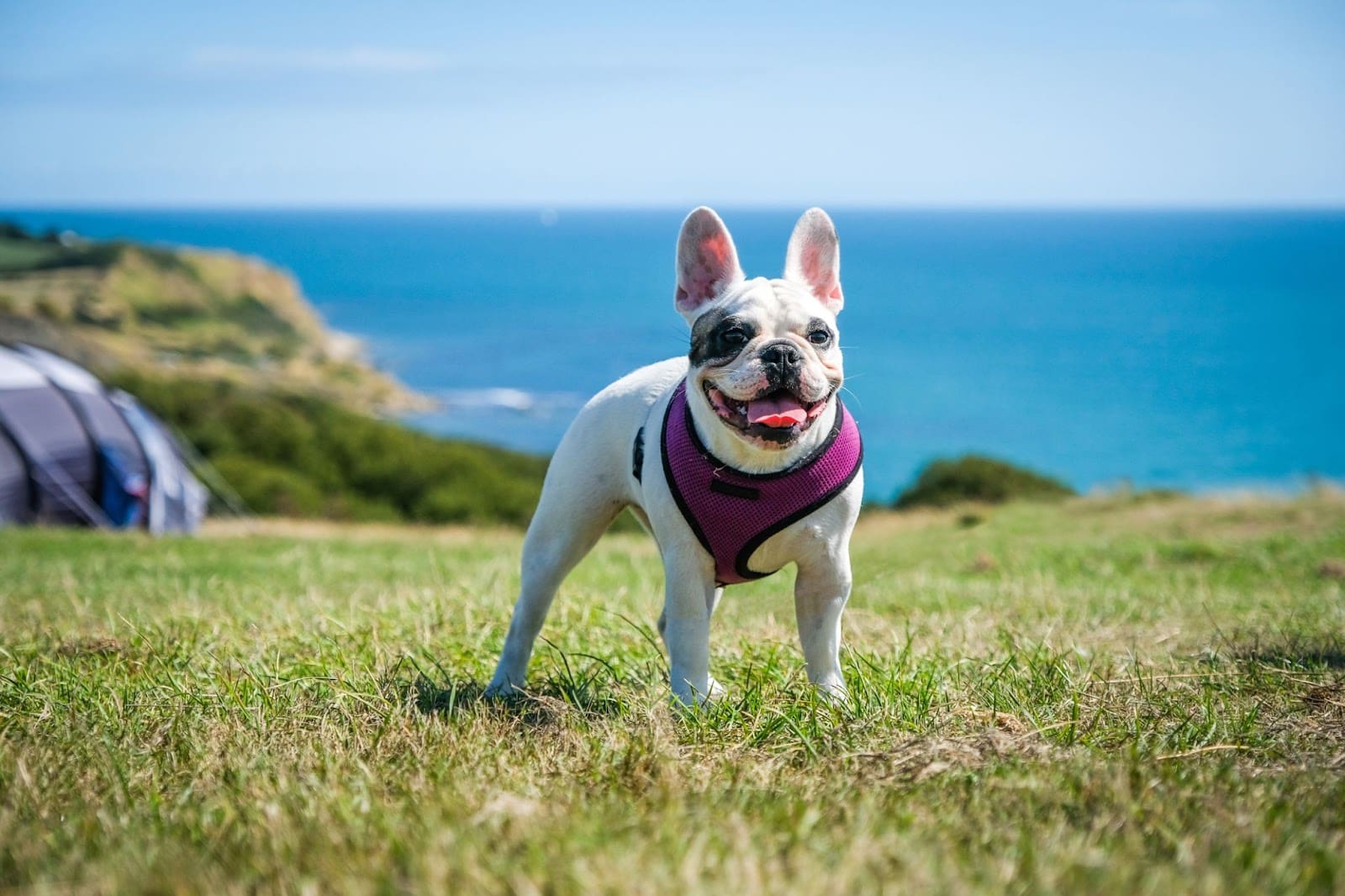
Small dogs have unique needs for harnesses, so choosing a style that suits their size and temperament is essential. A step-in harness is often an excellent choice for a small dog, as it’s easy to put on and reduces the risk of tangling or discomfort. Look for a harness with a simple design and minimal straps to keep things lightweight and comfortable for your pup.
If your small dog tends to pull on the leash, consider a harness with a front clip to help teach better walking habits and give you more control. Always use treats and praise to reward your small dog for calm, cooperative behavior when wearing the harness, and avoid any sudden pulling or jerking on the leash, as this can make your dog wary of harness time. With gentle teaching, positive reinforcement, and the correct harness, even the tiniest dogs can learn to love their walks and feel secure while wearing their gear.
Troubleshooting Harness Issues
Even with the best preparation, you might encounter some challenges when your dog starts wearing a harness. Common issues include the harness slipping out of place, causing chafing, or restricting your dog’s movement. If you notice any of these problems, first check the fit and adjust the straps as needed. Using dog treats can encourage your dog to move comfortably and build positive associations with the harness. For dogs that tend to pull, a back-clip harness can offer more control and help manage their behavior during walks. Remember, training takes time, and a few treats and adjustments can go a long way in helping your dog feel at ease while wearing their harness.
Common Mistakes to Avoid
When training your dog to use a harness, making a few common mistakes is easy. One of the most significant errors is not ensuring a proper fit, leading to discomfort, slipping, or injury. Rushing the introduction of the harness or skipping gradual training steps can also cause fear or anxiety in your dog. Avoid using the harness as a tool for punishment or control, as this can create negative associations and set back your progress. Instead, focus on positive reinforcement and patience throughout the training process. If you’re ever unsure about the right approach, don’t hesitate to contact a professional dog trainer for guidance. Prioritizing your dog’s comfort and well-being will help you both enjoy the benefits of harness training.
Harness Maintenance: Cleaning and Care
Keeping your dog’s harness clean and well-maintained is essential for your dog’s comfort and safety. Regularly check the harness for signs of wear, such as frayed straps or damaged buckles, and replace any parts that look worn out. Remove any loose dirt or debris to clean the harness, then wash it by hand using mild soap and warm water. Avoid harsh chemicals or abrasive scrubbing, as these can damage the fabric and weaken the straps or buckles.
After washing, let the harness air dry completely before putting it back on your dog—this helps prevent shrinkage and keeps the material in good shape. Regular cleaning keeps the harness looking fresh and helps prevent skin irritation or infections caused by dirt and bacteria. Taking a few minutes to care for your dog’s harness will ensure it stays comfortable, safe, and ready for every adventure.
Dog Harness Checklist
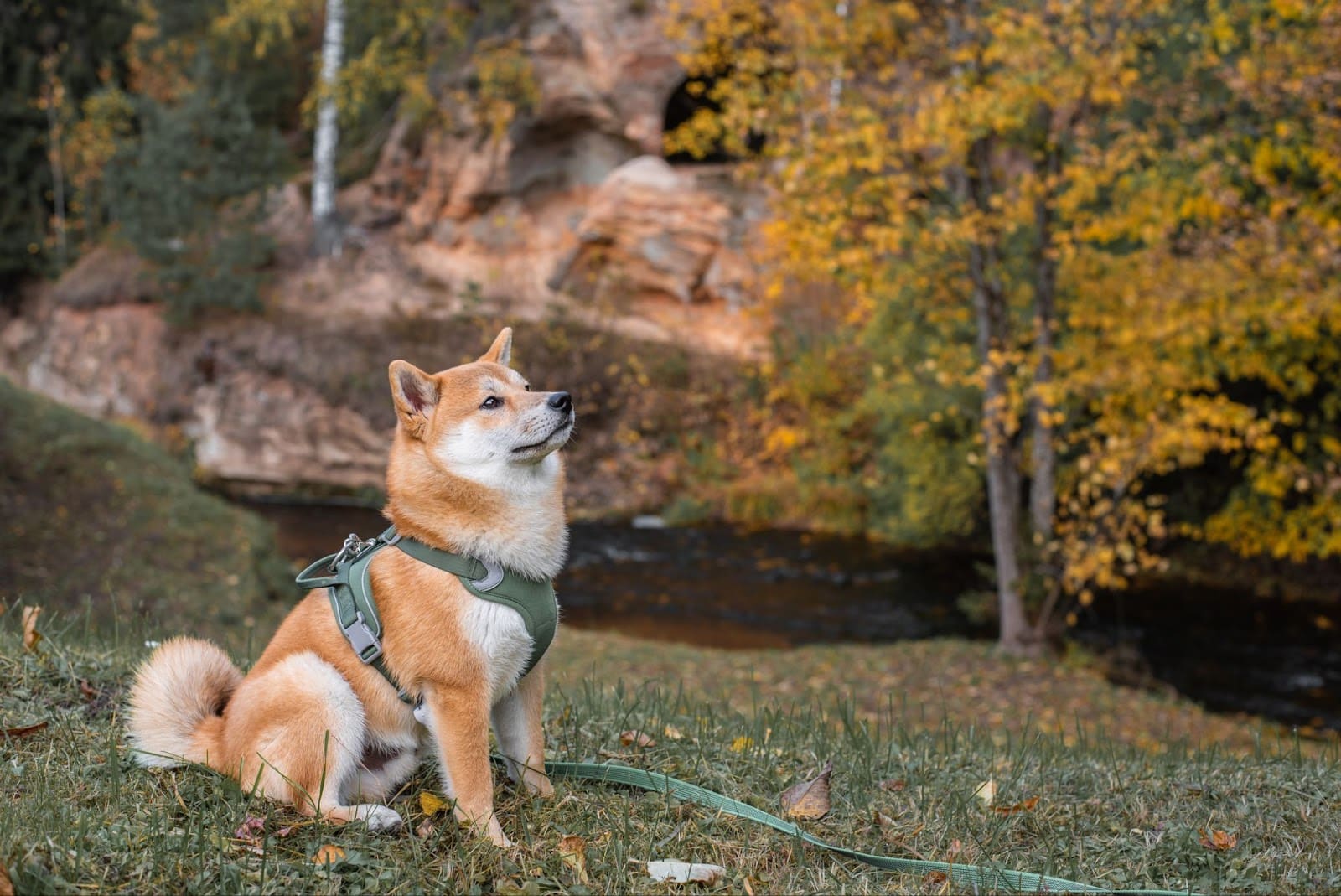
Here’s a quick checklist to ensure your dog feels great in their new harness:
- Choose the right harness style for your dog’s size and needs
- Let your dog sniff and explore the harness before wearing it.
- Use treats, praise, and positive reinforcement.
- Ensure the harness fits snugly with room for the dog’s movements.
- Gradually increase wear time indoors before going on walks.
- Monitor for signs of discomfort or pulling.g
- Consult a dog trainer if needed.
Long-Term Success: Keeping Harness Time Positive
For lasting success with your dog’s harness, keep every experience as positive as possible. Use treats and praise to reward your dog for wearing the harness and behaving well during walks. Never use the harness as punishment or correction, as this can create fear or anxiety around harness time. If your dog starts showing signs of discomfort, pulling, or fear when wearing the harness, contact a dog trainer or behaviorist for expert advice.
Consistency and patience are key. By always putting your dog’s comfort first and reinforcing good behavior, you’ll help your dog build a lifelong positive association with its harness. Every dog is different; some may need extra time or encouragement to feel at ease. With the right approach, you and your dog can look forward to many happy, stress-free walks together, enjoying the benefits of a well-fitting, comfortable harness.
Final Thoughts: Make the Harness a Happy Experience
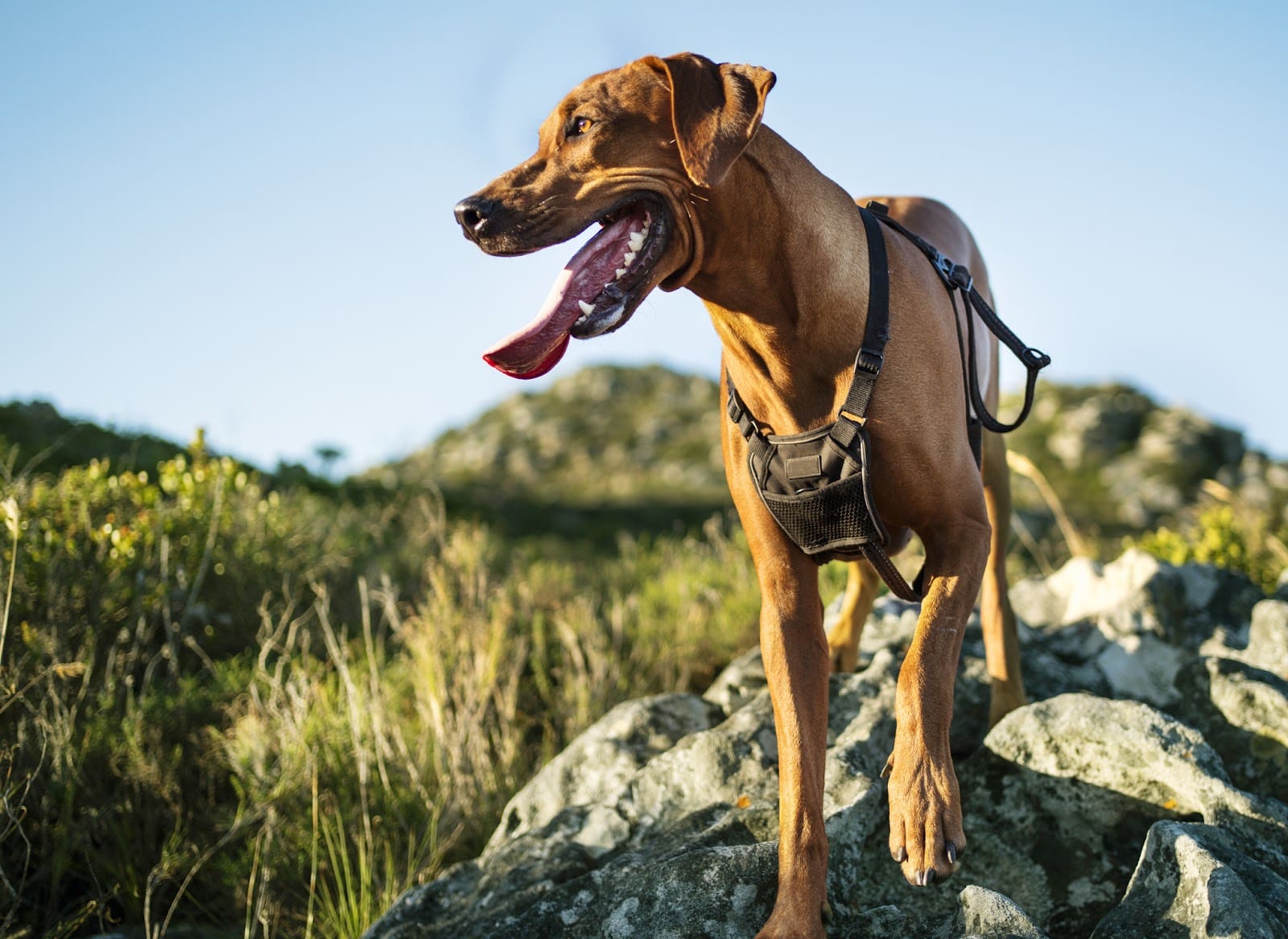
Getting your dog comfortable with a harness is more than just gear—it’s part of a joyful, stress-free walking routine. Whether you have puppies, a small dog, or a strong adult dog that pulls, proper dog harness training will give you both confidence.
At K9 Conquest, the correct harness, paired with real-life training, creates better communication between you and your pup. With patience and the right approach, your furry friend will soon be excited whenever you grab the harness.
Ready for walks that feel like a breeze?
Explore our adventure-tested harnesses for all dog sizes—designed for comfort, durability, and fun. Shop now at K9 Conquest.
FAQ: Dog Harness Training & Comfort Tips
- How long does it take for a dog to get used to a new harness?
Every dog is different, but most will adjust within 1–2 weeks with consistent, positive training. Start by letting your dog explore the harness indoors, then gradually increase wear time before going on walks. - How do I know if the harness fits correctly?
A well-fitting harness should be snug but not tight. You should be able to slide two fingers between the harness and your dog’s body. It shouldn’t rub, slip off, or restrict your dog’s movement. - My dog resists wearing the harness—what should I do?
Start slow. Let your dog sniff the harness, reward calm behavior with treats, and avoid forcing it on. If resistance continues, try a different style or consult a dog trainer. - Should I still use a collar with a harness?
Yes. Even if your dog wears a harness for walks, it’s important that it also wears a collar with an ID tag for identification and legal purposes. - What type of harness is best for my dog?
It depends on your dog’s size, breed, and behavior. Small dogs often do well with lightweight step-in harnesses, while large or high-energy dogs benefit from padded harnesses with front clips for added control.